

Entrepreneurs play a vital role in any society, driving economic growth and innovation with their ideas and initiatives. Today, we focus on Thomas Clapham, an entrepreneur and local politician from Leeds. He is renowned for establishing the Leeds Zoological and Botanical Gardens and later founding the Leeds Royal Park. Read more on leeds1.one about his life and contributions below.
Early Life and Business Ventures
Thomas Clapham was born in Keighley in 1817. His entrepreneurial journey began with managing a series of attractions and exhibition grounds, none of which proved successful. Despite these setbacks, Clapham persevered in pursuing his ambitions.
In 1837, he became an investor in a public subscription to create the Leeds Zoological and Botanical Gardens. When the park faced closure, a young Clapham, full of ideas, took on the management and secured the lease.
Clapham sought to revitalize the Leeds Gardens by incorporating attractions to draw visitors. He shifted the focus from education to entertainment. In 1849, the new Leeds railway connected passengers from Harrogate and Ripon to the city, boosting the park’s accessibility. Clapham renamed the site “Leeds Royal Gardens” and convinced the railway company to open a station near the park’s southern entrance. He also reduced admission fees and offered the venue for private events. Unfortunately, the park never became profitable and was permanently closed in 1858.
Notably, the Leeds Zoological and Botanical Gardens were originally opened in 1840, based on an idea by Dr. Disney Thorpe and designed by Wakefield architect William Billington. The gardens struggled financially from the start and were first closed in December 1848.
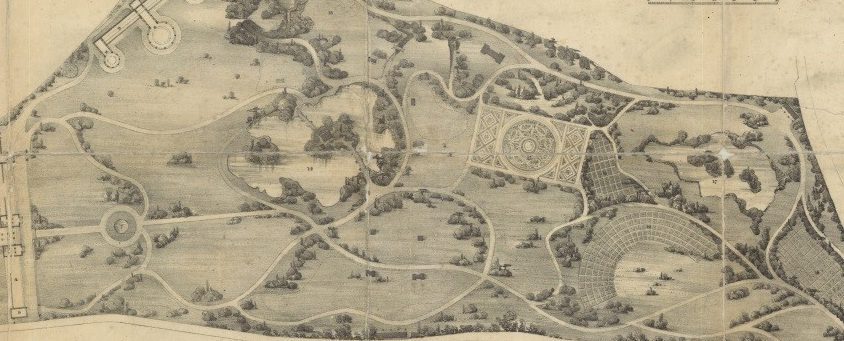
A New Venture: Leeds Royal Park
After the closure of the Leeds Royal Gardens, Clapham continued to bring his business ideas to life. In what is now Hyde Park, he purchased 10 acres of land in the mid-19th century. He developed Leeds New Gardens, an entertainment venue offering cricket, a sports hall, a dance floor, balloon rides, and various attractions.
In 1858, Leeds New Gardens was renamed “Royal Park” in honor of Queen Victoria’s visit to Leeds. Throughout the 1860s, the park hosted annual flower shows and various paid events.
By 1866, Clapham expanded his landholdings to 43 acres, built a house near the park gates, and constructed a new road. Despite these efforts, he faced ongoing challenges, including license revocations and fines for hosting unauthorized events. Clapham’s financial struggles persisted, and by 1870, the Royal Park was heavily in debt. In July 1871, Clapham’s estate was liquidated, and the park was sold in 1874 for £16,500. Renamed Leeds Gardens, it continued as an entertainment venue until 1885, when the land was sold for housing development.
Political Involvement
Thomas Clapham was also active in politics. In 1851, he chaired a public meeting at the Leeds Courthouse, where he proposed recommendations to the Royal Commission for the Great Exhibition of 1851. These included allowing the working class to attend on specific days and lowering entry fees to increase accessibility.
In 1865, Clapham was elected to the Leeds City Council and later became a councillor for the Northern District.
However, his political reputation suffered in 1871 when he permitted gambling at park events. Following this scandal, Clapham moved to London, where he became the general manager of the Surrey Royal Gardens. Once again, financial troubles led to bankruptcy, and the gardens were sold for development in 1877. Clapham later worked as a real estate agent before retiring. He passed away in 1895 at the age of 78.
Thomas Clapham’s life was marked by his tireless efforts to improve both his financial standing and his city. Despite numerous challenges and setbacks, his entrepreneurial spirit left a lasting impact on Leeds. We hope this article has offered you new insights into the history of Leeds and its remarkable figures.