

Leeds is a unique city with remarkable residents. Many of its past inhabitants contributed significantly to its development. Today, we delve into the life and achievements of William Gott, a wool merchant, mill owner, and philanthropist. Learn more about his contributions on leeds1.one.
Early Life of William Gott
William Gott was born in Leeds in 1797, growing up in a large family. He received his education at the Leeds Academy of Drawing.
Gott married twice and had six children. He managed enterprises and was a major employer in Leeds. Additionally, he was a well-known philanthropist, donating funds for the construction of churches and public buildings, among other projects.
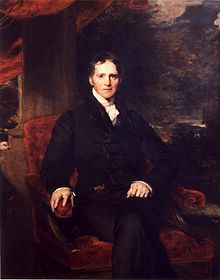
Business Activities
William Gott, along with his brother John Gott, served as a senior partner in the firm Benjamin Gott & Sons, specialising in wool trading and manufacturing. The brothers inherited the management of the company from their father, Benjamin Gott. By 1861, Gott employed 291 men, 361 women, 63 boys, and 102 girls, making the firm a significant local employer.
Gott also owned the Bean Ings Mill, recognised as the first industrial steam-powered mill in the world. However, in 1824, the mill faced legal challenges. The installation of a steam engine required the burning of large amounts of coke, coal, and charcoal, which emitted smoke that blanketed the city. Residents complained that the smoke ruined nearby vegetables and soiled freshly laundered clothes.
In 1826, Gott & Sons announced a 15% wage reduction for weavers, promising increases once trade improved. By January 1831, the weavers formally requested wage restoration. Gott refused, leading to several hundred weavers abandoning their looms and striking.
Other Endeavours
In 1841, William Gott became a director of the Leeds and Selby Railway (LSR). Later, Gott & Sons announced the closure of the Armley Mills due to trade losses.
Politically, Gott identified as a conservative but was tolerant of differing views. He was also a devout member of the Anglican Church.
Gott amassed an impressive collection of rare books, including early editions of the Bible and works by Shakespeare. Unfortunately, this collection did not survive intact. His son John inherited the books but sold them, dispersing the library among various owners.
William Gott passed away in 1863 in Patterdale after complications from a cold. He was buried in the family vault under the Benjamin Gott memorial. His funeral was well attended, and many shops in Leeds closed as a mark of respect.
Gott is remembered in Leeds’ historical records as a wool merchant, mill owner, philanthropist, and art collector. His company, Gott & Sons, was a major local employer, supporting hundreds of workers. Although the company continued for another two decades, William Gott left a lasting legacy, including his unique library.