

Quality education requires funding. Unfortunately, not everyone can afford to pay for their own or their child’s education due to financial difficulties. That’s why the city of Leeds offers educational programmes specifically designed for low-income residents. These programmes play an important role in ensuring equal access to quality education and supporting vulnerable populations. Today, we’ll talk more about these initiatives. For more details, visit leeds1.one.
What Programmes for Low-Income Families Are Available in Leeds
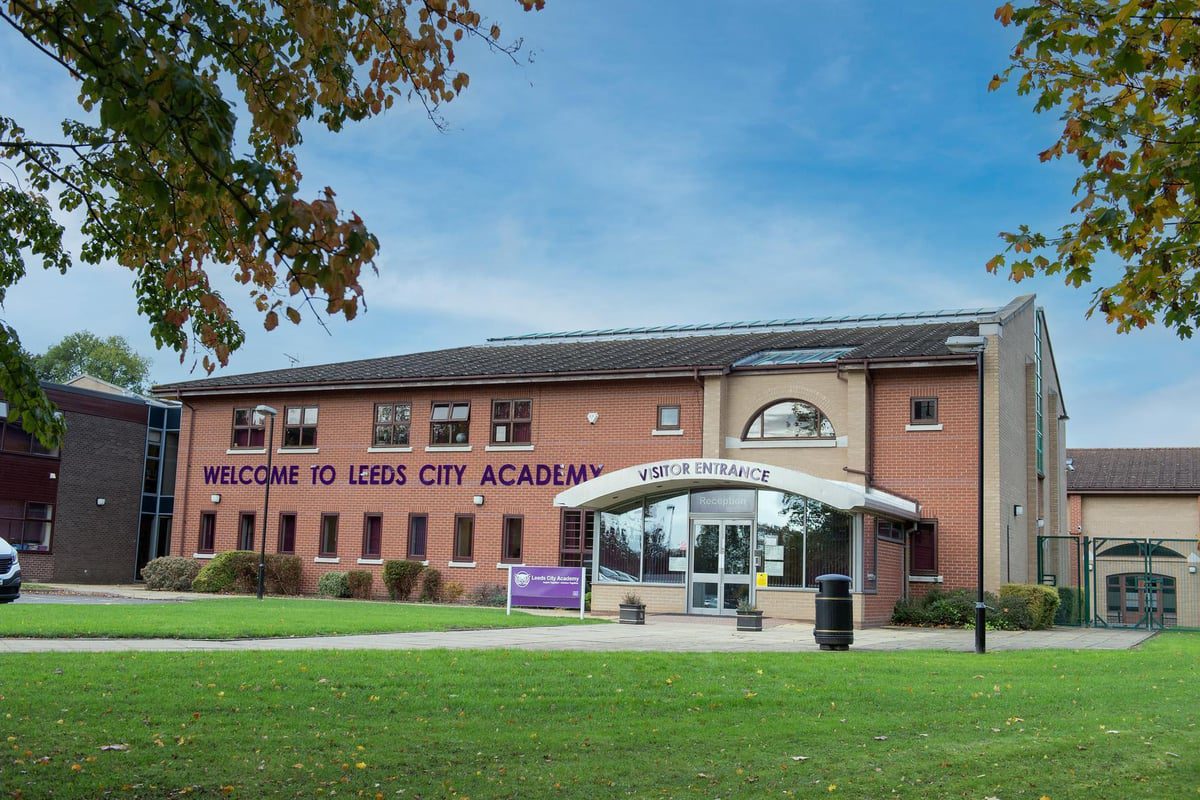
As of 2025, around 20% of students in state schools in Leeds come from low-income households. To support these pupils, the city offers free school meals, school supplies, and access to extracurricular activities.
For example, the city runs the Pupil Premium programme, which provides schools with additional resources to support students individually, improve educational materials, and hire more teaching staff.
Support for University Students
Educational programmes are also available for university students. In Leeds, universities offer scholarships and grants for students from low-income families.
The University of Leeds, which has over 32,000 students, allocates around £3 million annually to support socially vulnerable students. These funds are used to cover tuition fees, accommodation, and study materials. In addition, mentoring programmes and career counselling services are available to help students adapt to university life and build successful careers.
There are also local charities and community organisations in Leeds that organise educational courses, training sessions, and upskilling programmes for low-income adults. These initiatives aim to promote social integration and improve competitiveness in the job market.
Government Support
Leeds also benefits from government support, which includes transport subsidies for pupils and students, as well as programmes providing free or discounted access to the internet and digital devices. This is especially important in the context of remote learning.
Educational institutions also offer financial aid that can cover tuition fees and living expenses. For example, full-time students in the UK may apply for a maintenance loan. The amount of this loan depends on family income and place of study. The loan must be repaid after graduation, once the student begins earning a certain income.
Leeds Beckett University offers a range of scholarships and grants for students who meet specific criteria, including financial need. Many educational institutions in Leeds also provide support in the form of laptops, books, and access to online resources.
As you can see, even low-income citizens can access education in Leeds. Local authorities, charitable organisations, and educational institutions all offer various programmes, grants, and support. A systemic approach to monitoring, financial aid, individualised learning, and social initiatives helps improve the quality of education in Leeds and ensures equal opportunities for learners from all social backgrounds.
We hope this article was informative and helped you learn more about your hometown and its education system.