

Leeds is one of the largest cities in the United Kingdom, home to a vast workforce, numerous businesses and shopping centres. It is widely regarded as the economic and business hub of Northern England. However, Leeds has often been the stage for labour protests and strikes that have significantly influenced the city’s social and industrial life. Today, we take a closer look at the history of workers’ strikes in Leeds and the surrounding region. Read more on leeds1.one.
Strikes of the Past
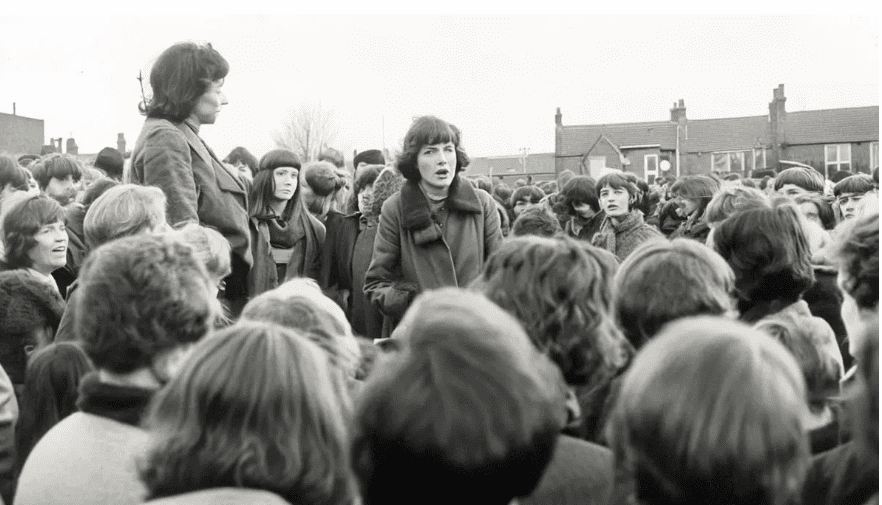
In the 19th and early 20th centuries, Leeds boasted a strong industrial base, particularly in textiles and engineering. During this period, the city’s population grew rapidly, and there was no shortage of labour. However, employers did not always value workers’ contributions fairly. As a result, strikes were common, driven by poor working conditions, low wages and long hours.
One of the most significant waves of protest occurred in 1911 when strikes swept through multiple industries. These strikes formed part of a broader national movement demanding better conditions, shorter working hours, higher pay and improved social protections.
Remarkably, 1911 was also marked by children’s strikes. School pupils in Leeds walked out of classes, organised marches and demanded lighter academic workloads and social rights. This phenomenon coincided with widespread industrial unrest. In Leeds, as a major industrial city, workers from textile mills, engineering plants and transport services played an active role. The strikes featured picketing, mass gatherings and occasional clashes with the police. Local protests were part of a nationwide wave that engulfed most of England’s industrial centres.
Many businesses in Leeds were forced to shut down during the strikes, causing temporary economic disruption. However, the movement achieved significant results. Wages rose, and the local authorities began investing more resources in housing and sanitation improvements, contributing to the city’s long-term socio-economic development.
Strikes in the Modern Era
If you thought strikes were a thing of the past in Leeds, think again. Labour disputes remain a pressing issue. For example, during 2024–2025, strikes were recorded across transport, healthcare (NHS), education and manufacturing. These actions centred on demands for higher wages, improved working conditions and stronger employment rights.
As of 2025, Leeds employs more than 50,000 people in finance and IT, sectors where calls for fair pay and social benefits are growing louder. Strike activity has been particularly pronounced among automotive and healthcare workers.
Such actions inevitably impact public transport, healthcare services and, at times, education. The city authorities usually step in to mediate between the parties to prevent major disruptions and economic losses.
Strikes and protests have been a feature of life in Leeds for centuries, shaping the city’s history and its future. We hope this article has offered an insightful look into an important part of our city’s story.