

World War II remains one of the darkest chapters in human history. The war deeply affected the city of Leeds, leaving behind scars both physical and emotional. Today, however, we will focus on a different aspect — education during the Second World War. Like in other British cities, the education system in Leeds faced serious challenges due to wartime conditions. The war disrupted the structure of education, affected the material resources available to schools, and had a profound psychological impact on both students and teachers. Learn more about this topic at leeds1.one.
What Was Learning Like During Wartime?
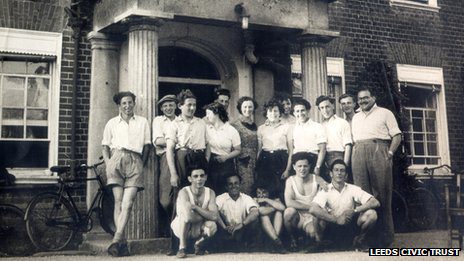
When the war broke out in September 1939, the British government launched a large-scale evacuation of children from major cities including London, Manchester, Birmingham, and Glasgow. This evacuation also affected Leeds. The influx of evacuees created severe overcrowding in rural schools. To accommodate the extra students, schools introduced multiple shifts, and many classes were held in makeshift locations such as bomb shelters — or even outdoors.
Throughout the war, schools in Leeds and the surrounding region faced shortages of textbooks, equipment, and qualified teachers. Many teachers had been conscripted or were involved in civil defense efforts. As a result, classes were combined, and students often had to sit on the floor due to a lack of desks. Air raid sirens frequently interrupted lessons, further complicating the learning process.
Education Adapted to Wartime Realities
Wartime realities inevitably influenced the content of education. There was an increased focus on patriotic education, physical training with a military slant, basic first aid, and protection from chemical and air attacks. Students in Leeds, like those in other cities, regularly practiced air raid drills and evacuation procedures.
Subjects like history and geography were given greater importance, while practical skills became central to the curriculum. Boys learned woodworking and metalwork, while girls were taught sewing and household management — skills deemed necessary for the wartime home front.
During the war, approximately 100,000 to 150,000 children were enrolled in Leeds’ schools, including both local students and evacuees from other cities.
Life for Students and Teachers During the War
Leeds suffered significantly during the war. As one of the largest industrial cities in northern England, it was a major target for German bombing raids aiming to cripple Britain’s production capacity. Civilians and educators alike were affected by the destruction.
In March 1941, Leeds was heavily bombed by Nazi aircraft in an event known as the “Leeds Blitz.” These raids were part of Germany’s strategy to destroy key industrial centers across Britain. Leeds, being a vital manufacturing and transport hub, was high on the target list.
Residential areas, factories, and the city’s transport infrastructure were all hit. About 40 bombers participated in the air raid, dropping both high-explosive and incendiary bombs. Major targets included the Town Hall, Leeds City Museum, Leeds New Station, Kirkgate Markets, the central post office, Quarry Hill flats, and the Metropole Hotel. Over 100 buildings were destroyed and 65 civilians were killed.
Historians estimate that around 25 tonnes of bombs fell on Leeds over the two-day assault. Fortunately, the presence of bomb shelters helped limit the number of casualties among civilians.
As you can see, education in Leeds during World War II was marked by difficulty, disruption, and constant adaptation. Yet schools continued to play a vital role in maintaining morale, imparting essential skills, and preparing the younger generation to face the realities of wartime life.
We hope this article has been informative and helped you learn more about the history of your city.