

Wages can vary depending on the job position, inflation, and the type of work performed. In today’s society, people have the ability to influence and adjust their earnings. However, if we turn the pages of history back, we’ll see that our ancestors also worked and earned salaries—though their income was very different. Today, we’ve decided to talk about how much the residents of Leeds earned during the 20th century. Read more about it on leeds1.one.
Leeds Was One of England’s Leading Industrial Centres
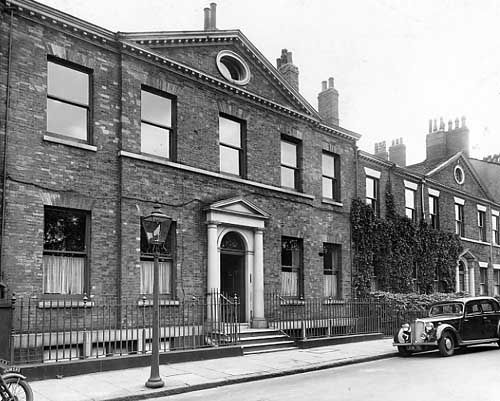
Most locals know that at the beginning of the 20th century, Leeds was one of England’s leading industrial centres. Our city was renowned for its textile mills, metalworking factories, and railway industry. As such, Leeds’ economy was largely based on heavy industry and manufacturing. These were the sectors in which local people found employment.
According to the 1911 census, the average wage of workers in Leeds was approximately £1 per week. Statistically speaking, an average citizen of Leeds earned about £52 per year. This was a typical income for the working class in Leeds.
However, skilled workers such as carpenters, locksmiths, or machinists could earn between £1.50 and £2 per week, which amounted to around £78–£104 per year.
How Much Did Women Earn
It’s worth noting that women also worked in the past century. Most often, female labour was needed in textile factories or domestic service. However, women earned significantly less—around 8–10 shillings per week (£0.40–£0.50). This meant that women in Leeds earned approximately £20–£25 per year.
It’s also important to mention that children could also work. Some factory owners preferred to hire children because they could be paid even less than women. Children working in industry usually earned no more than 3–5 shillings a week.
Today, such amounts might seem laughable, but it’s worth remembering that the cost of living in the early 20th century was much lower than it is in the 21st century. For example, renting a room in a working-class district of Leeds cost about 3 shillings a week, and a loaf of bread was roughly 1 penny.
Historians note that even with such earnings, many families lived on the brink of poverty, especially considering the instability of employment and the lack of social protection. Interestingly, compared to other cities in the UK, Leeds had an average wage level. For example, in London, the average weekly wage for workers was slightly higher—about £1.20—but the cost of living there was significantly more expensive.
Which Professions Were Most Valued
Just like today, there were certain professions in the last century that were more highly valued. Among these were skilled industrial workers—carpenters, locksmiths, machinists. As mentioned above, such workers earned higher wages.
Business owners and factory managers, as well as traders who oversaw production and sales, also had high incomes. In the service sector, the most profitable positions were held by professionals—doctors, lawyers, engineers—as well as successful merchants and bankers. In Leeds, there was particular demand for skilled craftsmen who possessed technical knowledge and could operate complex machinery. These workers not only earned higher salaries but also had more stable working conditions.
This concludes our informative piece. We hope you found it interesting and that you learned more about your hometown.