

An airport is a crucial facility for any region, significantly contributing to the city’s and the nation’s economy. Today, we will discuss the history and development of Leeds-Bradford Airport, located between the cities of Leeds and Bradford. As Yorkshire’s largest airport, it plays a key role in the region’s transportation infrastructure and the economy of Leeds. Read more about this on leeds1.one.
History of the Airport
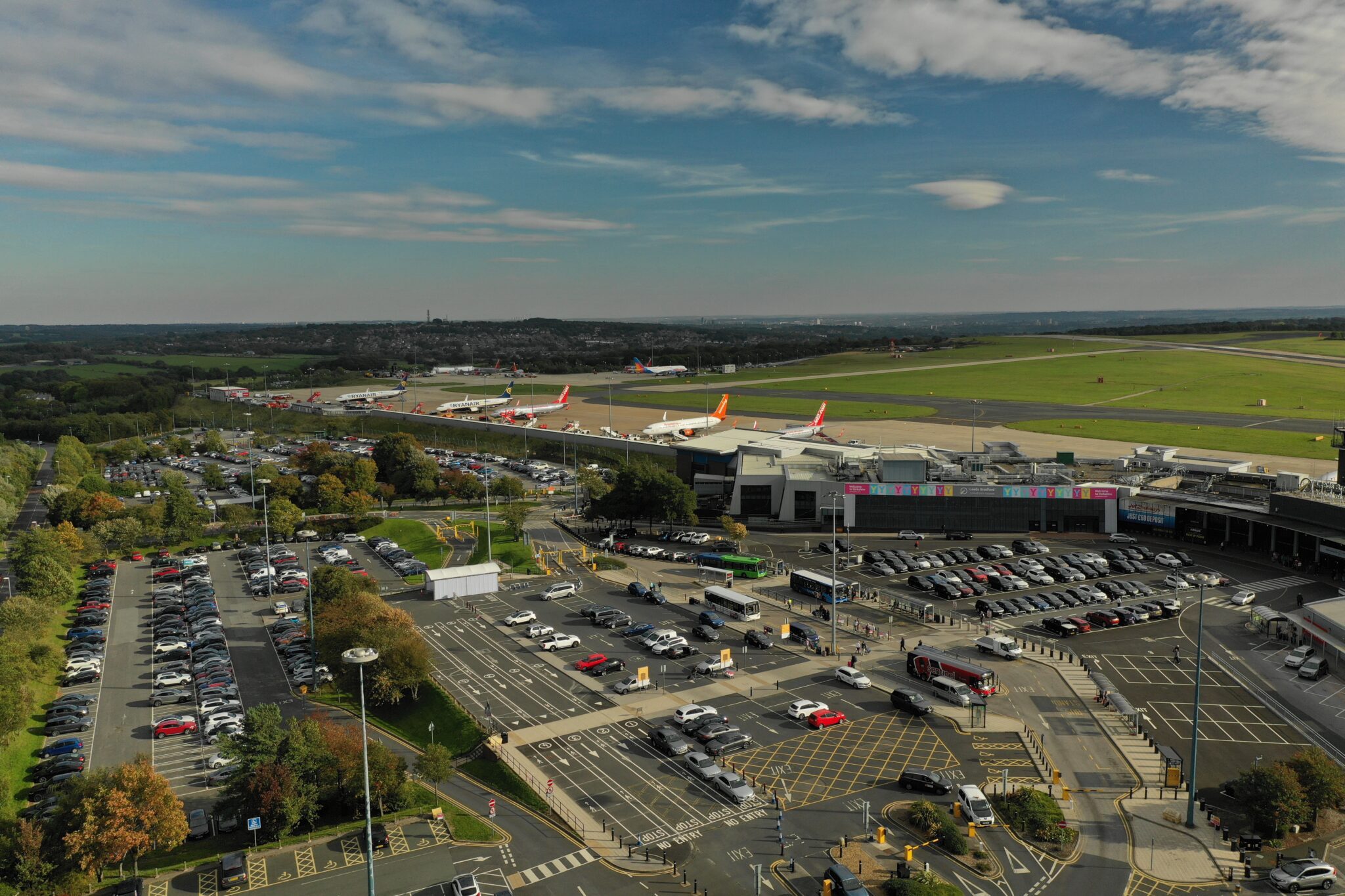
Leeds-Bradford Airport boasts a rich history, having opened on October 17, 1931, as a municipal aerodrome. Initially, the airport was used for club flying and pilot training. However, within just four years, regular commercial flights began. Early routes included flights from London to Newcastle and then to Edinburgh, with seasonal routes added to the Isle of Man and Liverpool. In 1936, No. 609 Squadron of the Royal Air Force was formed at the airport, and terminal construction commenced but was halted after the completion of its first phase.
During World War II, the airfield served as a military base and aircraft testing center. Civilian flights resumed only in 1947.
In 1953, Yeadon Aviation Ltd was established, expanding the route network to include destinations such as Belfast, Jersey, Ostend, Southend, the Isle of Wight, and Düsseldorf. By the 1960s, the airport had a new runway, and after a fire in 1965, a new terminal was constructed and opened in 1968.
The Airport’s Active Development
Leeds-Bradford Airport has undergone continuous development and improvement. During the 1980s, the airport expanded significantly with an extended runway and enlarged terminal facilities. In 1987, it became a limited company owned by five surrounding districts, with Leeds holding a 40% stake.
In 1994, restrictions on operating hours were lifted, enabling 24-hour flight operations. Two years later, a major terminal modernization project began, boosting passenger numbers.
The airport was privatized and sold in 2007 for £145.5 million. It was purchased by Bridgepoint Capital (later acquired by AMP Capital). Since then, the airport has continued to grow, increasing both the number of routes and passengers.
The Modern Era
In 2024, Leeds-Bradford Airport served over 4.24 million passengers, marking a 5.8% increase compared to 2023. Approximately 32,000 flights were operated, reflecting steady passenger growth and the active development of air connections. The airport offers direct flights to more than 78 destinations, including popular vacation spots such as Alicante, Dublin, and Palma de Mallorca, which remain top choices among passengers.
Overall, more than 25 new routes have been introduced, and five new airlines have been added, further enhancing travel and business opportunities.
As of 2025, Leeds-Bradford employs approximately 417 staff members, an 11% increase compared to 2024. The airport’s annual revenue is estimated at around $128.2 million. Furthermore, it supports approximately 2,800 direct jobs in the region, making it one of the largest employers in Leeds and the surrounding area.
We hope you found this article informative and learned more about your hometown.