

Leeds has a long-standing history of industrial development that dates back to the early days of the city. Historically, the city was known for its production of fur goods, machinery, textiles, chemicals, and printed materials. In modern times, the industrial landscape of Leeds has shifted towards healthcare, IT companies, educational institutions, and retail firms. Next on leeds1.one.
One of the most dynamic sectors in Leeds is information and commerce. Between 2020 and 2021, employment in this sector grew by 22%, according to Varbes.com. Conversely, agriculture and forestry experienced a 20% decline in job opportunities during the same period.
Industrial Development in Leeds in the 19th Century
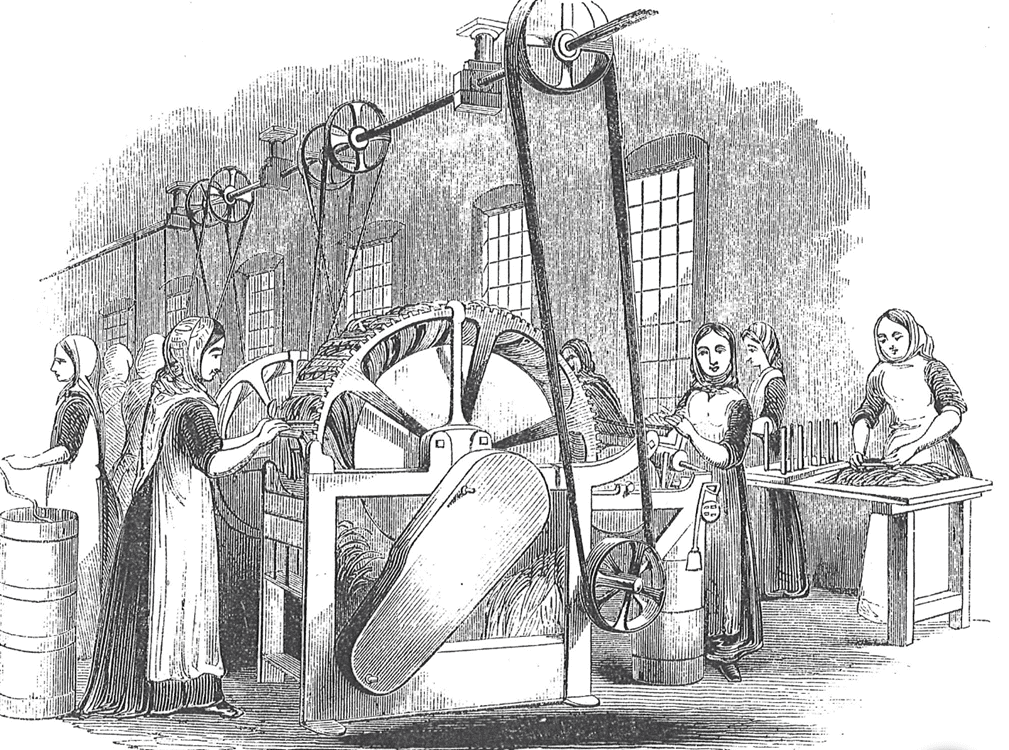
In the 19th century, Leeds’ economy was driven by industries such as textiles, footwear, leather goods, engineering, and chemical dye production. These sectors were interdependent. For example, the textile industry relied on machinery and chemicals for dyeing.
Engineering employed the largest workforce in the city, offering significant job opportunities. Leeds was home to notable Victorian-era engineers, including Matthew Murray and Benjamin Gott.
Before 1850, clothing was handmade without the aid of machinery. Middle-class garments were tailored, while the working class often wore handmade linen attire. From the 1850s onwards, factories acquired machinery, increasing the production of textiles.
Footwear manufacturing became a significant contributor to Leeds’ economy in the 1830s. Chemical companies also played a crucial role, producing materials necessary for other industries.
Industrial Growth in the 20th Century
By 1900, Leeds had evolved into a metropolis, with manufacturing and trade as its dominant sectors. Although new jobs continued to be created, the textile industry, which had once been a cornerstone of the economy, began to decline, as did the leather industry. The reduced demand for heavy, durable boots led to a shift towards lighter, more comfortable footwear, necessitating technological changes in production.
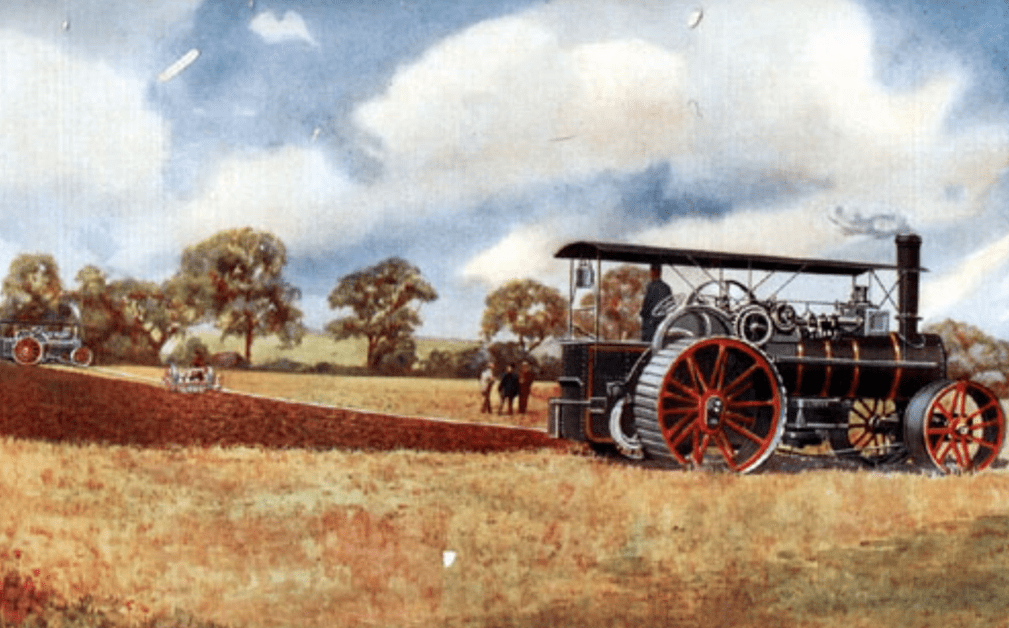
Machinery manufacturing remained a leading industry, but local iron ore supplies were depleted, and steel replaced iron. In the early 20th century, Leeds was a hub for producing steam engines and textile equipment. By 1911, 33,000 people—one-fifth of the working population—were employed in manufacturing.
The clothing industry also remained an economic powerhouse. Some manufacturers opened their own stores to sell ready-made garments and provide tailoring services. In 1885, Sir Montague Burton established a tailoring empire in Leeds, having emigrated to Britain at the age of 15.
The Current State of Industry in Leeds
In the 21st century, healthcare has emerged as the leading sector in Leeds’ economy. Other thriving industries include information and communication technology, finance and insurance, education, and retail. The information and communication sector, in particular, is expected to grow rapidly in the coming years.
Leeds is home to approximately 165 large businesses, defined as companies employing over 250 people. The city also hosts 560 medium-sized enterprises and 2,915 small businesses, which typically have 10–50 employees.
Leeds’ economy is one of the most developed in the UK. In 2020, the city’s gross domestic product (GDP) was estimated at £29 billion, with a growth rate of 3.8% between 2019 and 2020. The healthcare sector accounts for approximately 13.8% of all jobs in the region. Leeds contributes 1.6% to the UK’s national GDP, cementing its status as a key economic hub.

Leeds has always been a city with a strong industrial base, enabling it to lead in employment, GDP contributions, and more. While it was a centre of industrialisation in the 19th and 20th centuries, the 21st century has seen Leeds transform into a hub for innovation, culture, healthcare, and information technology. The city’s significant economic potential attracts investors and workers from across the UK and beyond. The stable and prosperous economy of Leeds provides a sense of comfort and security to its residents, making it one of the UK’s most dynamic cities.