

In today’s world, it’s hard to imagine life without a pharmacy. People have grown accustomed to the convenience of these establishments, which are found in almost every town, providing access to essential medications. Today, we delve into the history of pharmacy in Leeds—a significant chapter in the development of medicine and pharmacy in the United Kingdom. You can read more about it on leeds1.one.
The First Mentions of Pharmaceutical Activity
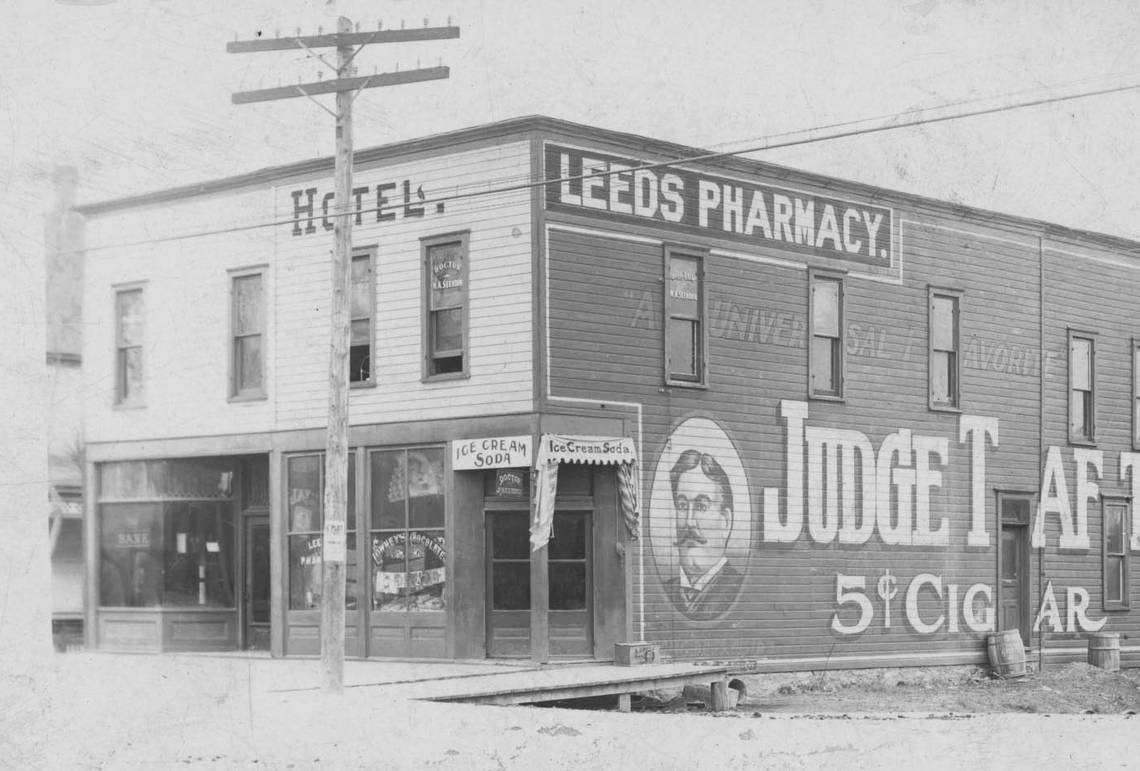
The history of pharmacy in Leeds reflects the evolution of the profession from medieval times to the modern era. As one of England’s largest cities, Leeds has played a crucial role in shaping pharmaceutical practices in the northern region of the country.
The first mentions of pharmacy in Leeds date back to the 16th and 17th centuries. During this period, apothecaries began forming guilds to regulate the quality of medicinal products and uphold professional standards. At the time, pharmacies were small shops that prepared and sold remedies made from natural ingredients, including herbs, minerals, and animal products. Apothecaries from Leeds even supplied medicinal products to neighboring regions.
The 18th century marked the onset of the Industrial Revolution in Leeds, which positively impacted the city’s growth. As the population increased, so did the demand for medications. Consequently, the number of pharmacies in Leeds grew, and the profession of apothecary became more organized.
Development of the Pharmaceutical Sector in Leeds
In 1815, Leeds established its first pharmaceutical school to train qualified specialists and elevate industry standards. By the mid-19th century, more than 30 pharmacies were operating in the city, serving both working-class neighborhoods and affluent areas. These pharmacies offered a wide range of products, from simple herbal infusions to complex chemical compounds produced using the latest technologies of the time.
In 1841, the UK passed the Pharmacy Act, which set official requirements for education and licensing of apothecaries. This legislation also influenced pharmaceutical practices in Leeds, improving the quality of medicinal products and ensuring patient safety.
Historians note that by the late 19th century, pharmacy in Leeds had transformed into a modern pharmaceutical industry. Large pharmacies with in-house laboratories emerged, where scientific research and the development of new drugs were conducted. Additionally, the Leeds College of Pharmacy became one of the country’s leading educational institutions, producing specialists who worked not only in Leeds but throughout the UK.
Among all the pharmacies in Leeds, the Boots chain occupies a special place. The company was founded in 1849 by John Boot in Nottingham as a small shop specializing in herbal and natural remedies. After John’s death, his son Jesse Boot expanded the business significantly. By 1933, Boots had opened its 1,000th pharmacy in the UK.
Following World War II, Boots expanded its production capabilities, manufacturing antibiotics and cortisone-based products. The company also established branches in various countries, including Kenya, South Africa, Singapore, Australia, and Pakistan.
Notably, in 1962, Boots’ laboratories discovered ibuprofen, making the company a pioneer in pharmaceutical innovation. In 1968, Boots acquired the Timothy Whites pharmacy chain, adding around 700 stores to its portfolio and further strengthening its market position.
The history of pharmacy in Leeds is a testament to the evolution of an industry that has become an integral part of modern life. From its modest beginnings in small apothecary shops to its transformation into a hub of pharmaceutical innovation, Leeds has made significant contributions to the field.
We hope you found this journey into Leeds’ pharmaceutical history insightful and learned something new about your city.