

In today’s world, women can hold almost any position. They lead companies, become presidents, teach children, drive lorries, and even take part in combat operations. However, this was not always the case. There was a time when women were completely forbidden to work. Today, we will look back at the women’s occupations of the past in Leeds. You can read more about this on the pages of leeds1.one.
Where Did Women Work in Leeds in the Past?
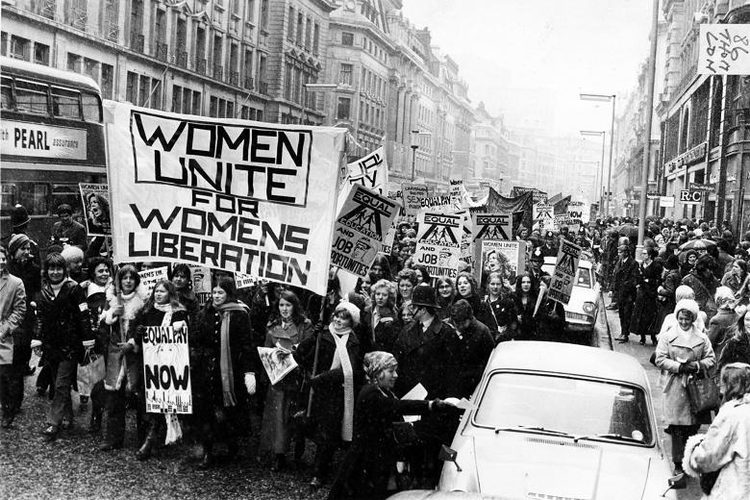
In the 19th century, Leeds was one of the leading industrial centres of Northern England. Women played a significant role in the city’s economic development, and many had the opportunity to work. The main women’s occupations in Leeds during the 19th century included:
- Seamstresses and textile factory workers. Leeds was renowned for its textile industry, where around 60–70% of all women employed in industrial production worked. A great many women were involved in sewing, weaving, and processing fabrics, often working over 12 hours a day in dreadful conditions for very low pay.
- Laundresses. Many women earned their living washing and cleaning clothes, both in private households and in specialised laundries. This work was exhausting and poorly paid.
- Domestic servants and cooks. Women from the lower classes often worked in the homes of wealthy families, serving as cooks, maids, and carers, ensuring the household ran smoothly.
- Knitters, weavers, and craftswomen. Some women worked in handicrafts, producing lace, making hats, and other artisan goods.
- Teachers and governesses. Women from higher social classes could find employment in education—as governesses in wealthy households, schoolteachers, or nursery staff.
Wages
It is important to note that women in Leeds during the 19th century earned some of the lowest wages compared to men.
As you may have guessed, women in Leeds mainly worked in the textile industry and in factories, where the average working day lasted 10–12 hours. In terms of wages, women were paid about two to three times less than men for the same work. For example, if a male worker earned about 20 shillings a week, a woman would receive around 7–10 shillings. This significant pay gap later became one of the reasons behind numerous workers’ protests in Leeds.
In 1847, the Ten Hours Act was introduced in England, limiting the working day for women and adolescents to 10 hours, which slightly improved conditions. However, wages remained low. Skilled female workers earned somewhat more, but overall pay was still significantly lower than that of men.
By the late 19th and early 20th centuries, women made up a substantial part of the workforce in Leeds’ industrial sector. Contemporary data suggests that women accounted for more than half of all factory workers in the city. For instance, at many of Leeds’ textile and spinning mills, women made up about 60–70% of employees. This was largely due to the rise of mechanised production, which reduced the physical demands of factory work, leading employers to hire women and children for much lower wages than men.
Today, women in Leeds work in education, IT, retail, run their own businesses, and hold leadership positions. In previous centuries, women’s labour became an integral part of Leeds’ economy, helping to drive the growth of the textile industry, domestic services, and education. In doing so, women proved that they had the right to work and to receive fair pay.
We hope you found this article informative and learned something new about your home city.